
Protecting Patient Health with Advanced Commercial Reverse Osmosis in Cincinnati
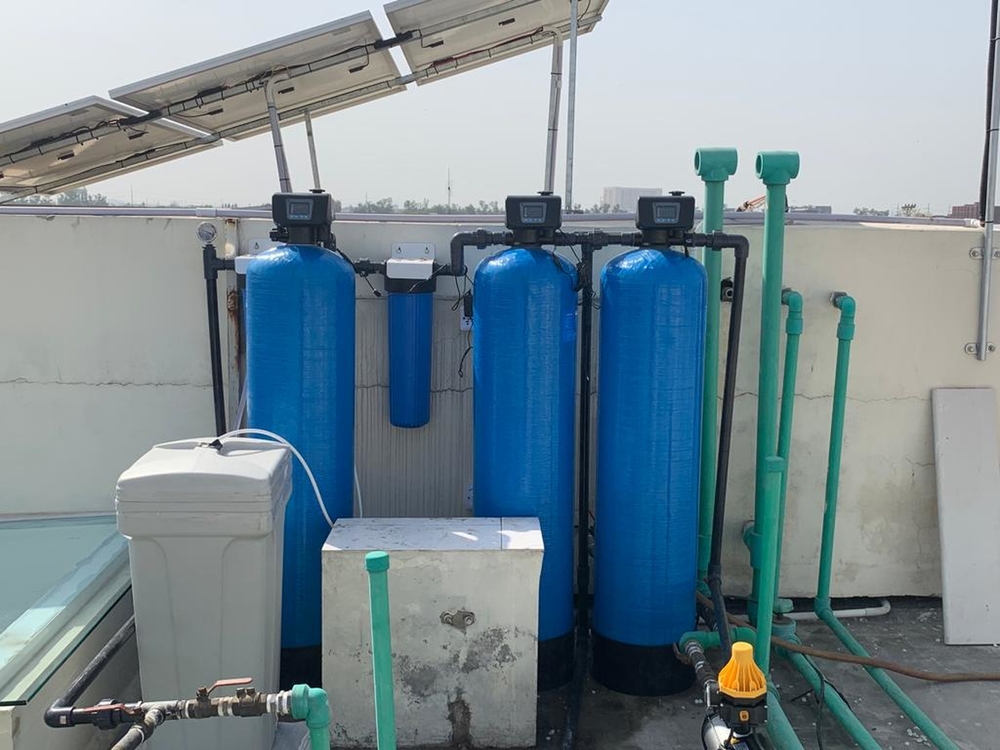
When it comes to patient care, every detail matters. From the medications administered to the equipment used in diagnostic testing, the quality of water flowing through a medical facility can have a direct impact on health outcomes. In Cincinnati, healthcare providers and laboratory managers are increasingly turning to commercial reverse osmosis systems to meet the rigorous demands of modern medicine. These systems do more than filter water; they create a foundation of purity that supports everything from sterile processing to pharmaceutical compounding.
Medical facilities operate under strict regulatory guidelines, and water quality is no exception. The presence of contaminants such as chlorine, heavy metals, endotoxins, and dissolved solids can compromise patient safety, damage sensitive equipment, and invalidate laboratory results. For Cincinnati healthcare institutions looking to meet or exceed compliance standards, investing in advanced commercial reverse osmosis technology is not just a smart decision; it is an essential one.
Why Water Quality Is Critical in Medical Settings
Water is one of the most widely used resources in any healthcare environment. It is used to rinse surgical instruments, prepare dialysis solutions, mix medications, and conduct laboratory analyses. When that water carries impurities, the consequences can range from minor equipment issues to life-threatening patient complications.
In clinical settings, water must often meet standards set by organizations such as the Association for the Advancement of Medical Instrumentation (AAMI) and the United States Pharmacopeia (USP). These standards specify acceptable limits for microbial contamination, chemical impurities, and conductivity levels. Standard municipal tap water, even when treated by a city utility, almost never meets these benchmarks without further purification.
This is where medical water treatment systems become indispensable. Commercial reverse osmosis systems use a semi-permeable membrane to remove up to 99 percent of dissolved contaminants, including bacteria, viruses, nitrates, and pharmaceutical residues. The result is water that is far cleaner than what comes from the tap, and far more suitable for the sensitive environments found in hospitals, clinics, and research facilities.
Cincinnati’s municipal water supply, sourced primarily from the Ohio River, undergoes extensive treatment before it reaches buildings across the city. However, even treated municipal water can contain trace levels of chloramines, sediment, and other compounds that are problematic in medical applications. A robust commercial reverse osmosis setup ensures that any facility using Cincinnati’s water supply can trust what comes out of the tap at every station.
How Commercial Reverse Osmosis Systems Work
Understanding the technology behind commercial reverse osmosis helps facility managers appreciate why it is so effective. The process begins with pre-filtration, where sediment filters and activated carbon filters remove larger particles and chlorine compounds that could damage the RO membrane. Water is then pressurized and pushed through a semi-permeable membrane with pores small enough to block molecules larger than water itself.
The rejected contaminants are flushed away in a concentrated waste stream, while the purified water, known as the permeate, continues on to storage or point-of-use systems. In medical and laboratory settings, this permeate is often further treated through deionization, ultraviolet sterilization, or ultrafiltration to achieve the highest possible purity levels.
Commercial-grade systems differ significantly from residential units in terms of capacity, durability, and monitoring capabilities. A large hospital or multi-department medical campus in Cincinnati may require systems capable of producing thousands of gallons of purified water per day. These systems are engineered for continuous operation, remote monitoring, and compliance documentation, all of which are necessary in regulated medical environments.
Modern commercial reverse osmosis units also incorporate conductivity sensors, flow meters, and automated alarms that alert facility managers when the system’s performance drifts outside acceptable parameters. This level of oversight is critical in laboratory water filtration applications, where even minor fluctuations in water purity can produce inaccurate test results.
Applications of Medical Water Treatment Systems in Cincinnati
Cincinnati is home to a thriving healthcare sector that includes world-class hospitals, specialty clinics, and cutting-edge research institutions. Each of these environments has distinct water quality needs, and commercial reverse osmosis technology serves them all.
In hospital settings, purified water is used extensively in the central sterile supply department, where surgical instruments are cleaned and sterilized. Water containing mineral deposits or biological contaminants can interfere with the sterilization process and introduce infection risks. A properly maintained medical water treatment system eliminates these risks by delivering consistently pure water to every sterilization cycle.
Dialysis centers in Cincinnati represent another major application. Hemodialysis requires large volumes of highly purified water that comes into direct contact with a patient’s bloodstream. Contaminants that would be harmless when consumed orally can be dangerous when introduced through dialysis, making the quality of the water supply a literal matter of life and death. Commercial reverse osmosis systems designed for dialysis applications must meet AAMI standards for dialysate water and are subject to regular testing and validation.
Pharmaceutical compounding pharmacies also rely on commercial reverse osmosis to produce water that meets USP Purified Water or Water for Injection standards. Cincinnati has a growing number of compounding facilities serving both local healthcare providers and patients across the region. These operations need water treatment systems capable of reliably producing pharmaceutical-grade water in the volumes required for daily production.
In research and academic laboratory settings, laboratory water filtration is the backbone of reproducible science. Trace contaminants in water can interfere with reagent performance, cell culture viability, and instrument calibration. Universities and private research firms in Cincinnati depend on tiered water purification systems, with commercial reverse osmosis serving as the foundational stage, to produce Type 1, Type 2, and Type 3 water for a range of analytical applications.
Choosing the Right Commercial Reverse Osmosis System for Your Cincinnati Facility
Selecting a commercial reverse osmosis system is not a one-size-fits-all decision. The right solution depends on a facility’s water usage volume, the specific applications the water will serve, local feed water conditions, and applicable regulatory requirements.
The first step is a thorough water analysis. Cincinnati facilities should have their incoming municipal water tested for total dissolved solids, hardness, chloramines, microbial content, and any other parameters relevant to their specific use case. This analysis informs the design of the pre-treatment and post-treatment stages that will surround the RO membrane.
Capacity planning is equally important. Undersized systems create bottlenecks that disrupt operations and encourage workarounds that can compromise water quality. Oversized systems, on the other hand, can lead to stagnant water in storage tanks, increasing the risk of microbial growth. A qualified water treatment specialist can model demand across all points of use and recommend a system sized appropriately for a facility’s actual needs.
Maintenance and service support are also key considerations. Commercial reverse osmosis membranes require periodic replacement, pre-filters need regular servicing, and the entire system must be sanitized on a scheduled basis. Cincinnati facilities should partner with vendors who offer local service capabilities, ensuring that maintenance can be performed promptly and that emergency support is available when needed.
Finally, documentation and validation support are critical for facilities operating under regulatory oversight. FDA-regulated pharmaceutical operations, CLIA-certified laboratories, and Joint Commission-accredited hospitals all need detailed records of their water quality monitoring activities. The best commercial reverse osmosis vendors provide validation protocols, equipment qualification documentation, and ongoing compliance support.
Conclusion
Clean water is a non-negotiable requirement in medical and laboratory environments, and Cincinnati healthcare facilities have strong options available to meet that need. Commercial reverse osmosis technology delivers the purity, reliability, and scalability that modern medical water treatment systems demand. Whether the application is dialysis, sterile processing, pharmaceutical production, or laboratory water filtration, an advanced RO system provides the foundation for safe, effective, and compliant operations. Cincinnati facilities that invest in the right water treatment infrastructure are not just protecting their equipment; they are protecting their patients.
Need Industrial & Commercial Water Purification in Cincinnati, OH?
Since 1999, Ultra Pure Water Technologies, LLC has been one of the best water purification business throughout the state of Ohio and beyond. Ultra Pure Water Technologies, LLC specializes in the sale, design, installation, maintenance, and service of commercial, industrial, and medical water pre-treatment and filtration systems. We offer water softeners, water filter replacements, carbon filtration, reverse osmosis, and deionization. Some of the products we have available include USP type-I, II, and II water and DI exchange tanks. We are a member of the Water Quality Association. Call in today for a free estimate!
Categorised in: Commercial RO Water System
This post was written by admin