
How Commercial Water Filtration Systems Protect Your Cincinnati Facility’s Bottom Line
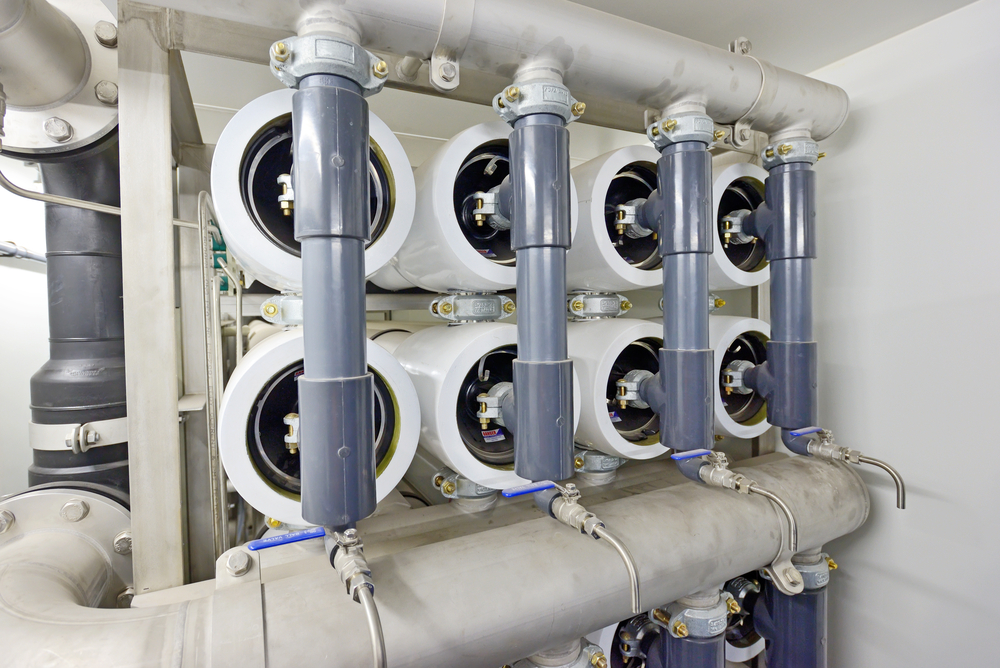
Water touches nearly every aspect of a commercial facility, from manufacturing processes and food preparation to employee comfort and equipment performance. For businesses in Cincinnati, water quality can directly influence operating costs, equipment lifespan, product consistency, and customer satisfaction.
Quick Answer
Commercial water filtration systems protect your facility’s bottom line by reducing equipment wear, minimizing downtime, improving water quality, lowering maintenance costs, and helping businesses operate more efficiently. In Cincinnati, where businesses rely on municipal water that can vary in mineral content and treatment characteristics, the right filtration system helps protect valuable assets while supporting reliable day-to-day operations.
What Cincinnati Businesses Should Know
- Commercial filtration systems help reduce mineral buildup that can shorten the life of boilers, water heaters, ice machines, and other equipment.
- Businesses throughout Hamilton County benefit from customized water treatment because every facility has different water usage requirements.
- Proper filtration can improve product quality for restaurants, healthcare facilities, manufacturing operations, and office buildings.
- Preventative water treatment often costs less than repairing or replacing equipment damaged by poor water quality.
- Regular system maintenance helps ensure consistent performance while reducing the likelihood of unexpected operational disruptions.
Why This Matters Locally
Cincinnati businesses depend on a reliable water supply for daily operations, but water quality affects facilities differently depending on their industry, equipment, and processes. Whether your building is located Downtown, in Blue Ash, Mason, West Chester, Sharonville, or Northern Kentucky, untreated water can gradually impact plumbing systems, commercial appliances, and specialized equipment.
Older commercial buildings may have aging plumbing infrastructure, while newer facilities often rely on sophisticated equipment with strict water quality requirements. Every facility benefits from understanding how water treatment supports long-term operational efficiency.
At Ultra Pure Water Technologies, we work with businesses throughout the Greater Cincinnati area to evaluate water quality concerns and recommend filtration solutions that match each facility’s specific needs.
How Commercial Water Filtration Protects Your Bottom Line
Commercial water filtration protects your bottom line by reducing avoidable expenses across multiple areas of your operation.
Lower Equipment Maintenance Costs
Mineral deposits and sediment gradually accumulate inside equipment that uses water. Over time, this buildup reduces efficiency and increases wear on components such as:
- Boilers
- Water heaters
- Cooling systems
- Ice machines
- Commercial dishwashers
- Steam equipment
- Coffee and beverage systems
Cleaner water helps these systems operate more efficiently while reducing the frequency of cleaning and repairs.
Longer Equipment Life
Replacing commercial equipment can represent a significant capital expense. Filtration systems help protect internal components from scaling, sediment accumulation, and other contaminants that contribute to premature failure.
Extending equipment life allows businesses to delay costly replacements and maximize their investment.
Reduced Downtime
Unexpected equipment failures can interrupt production, delay customer service, or temporarily shut down essential operations.
Water filtration helps reduce one common source of preventable breakdowns by keeping water-dependent equipment operating under cleaner conditions.
Improved Energy Efficiency
Scale buildup acts as insulation inside heating equipment, requiring systems to work harder to achieve the same results.
Cleaner equipment generally transfers heat more efficiently, which may help reduce energy consumption while maintaining consistent performance.
Better Product Quality
For many industries, water becomes part of the final product or directly affects production quality.
Examples include:
- Restaurants
- Breweries
- Coffee shops
- Healthcare facilities
- Food processing
- Manufacturing
- Laboratories
Consistent water quality helps businesses maintain consistent outcomes.
Professional Field Observations
Based on our experience working with commercial facilities throughout the Cincinnati region, businesses often underestimate how much water quality affects operating expenses until equipment problems become frequent.
Facilities with high daily water usage typically experience the greatest long-term savings from proactive water treatment because even small improvements can have a significant cumulative impact over years of operation.
Local Impact on Cincinnati Businesses
Commercial facilities across Cincinnati face different operational challenges depending on their industry and water usage.
Restaurants depend on reliable ice production and clean dishwashing equipment.
Healthcare facilities require dependable water quality for numerous building systems.
Manufacturing operations often rely on consistent water conditions to support production quality.
Hotels, apartment complexes, office buildings, and educational facilities also benefit from reducing maintenance demands while improving occupant satisfaction.
Regardless of industry, avoiding preventable equipment failures helps businesses maintain productivity and better control operating costs.
Warning Signs Your Facility May Need Better Water Filtration
Commercial water filtration may be worth evaluating if you notice:
- White mineral deposits on fixtures or equipment
- Frequent scale buildup inside water-using appliances
- Ice machines requiring frequent cleaning
- Reduced efficiency from boilers or water heaters
- Higher-than-expected maintenance costs
- Inconsistent water quality
- Increased equipment downtime
- Rising energy bills without another clear explanation
These symptoms do not always indicate filtration issues, but they often justify a professional water quality assessment.
When to Call a Professional
Businesses should contact a water treatment professional when recurring maintenance issues begin affecting operations or when installing new water-dependent equipment.
While facility managers can monitor visible scale, equipment performance, and maintenance records, selecting the appropriate commercial filtration system requires evaluating:
- Water chemistry
- Flow requirements
- Equipment demands
- Industry regulations
- Facility usage patterns
Professional testing helps ensure the selected solution addresses the actual water conditions rather than treating symptoms alone.
Common Causes of Commercial Water Quality Problems
Several factors commonly affect commercial water systems in the Cincinnati area.
Mineral Content
Naturally occurring dissolved minerals can contribute to scaling inside commercial equipment over time.
Sediment
Small particles entering the water supply can accumulate inside plumbing and equipment, increasing maintenance needs.
Facility Age
Older buildings may have aging plumbing that contributes additional sediment or corrosion concerns.
Industry Demands
High-volume commercial operations place greater demands on water treatment systems than many residential properties.
Prevention and Maintenance
Preventative maintenance helps commercial filtration systems continue protecting your investment.
Best practices include:
- Schedule routine water quality testing.
- Replace filters according to manufacturer recommendations.
- Monitor equipment performance trends.
- Address unusual water quality changes promptly.
- Include water treatment inspections in preventative maintenance programs.
- Review filtration capacity whenever facility operations expand.
Routine service is generally far less disruptive than responding to emergency equipment failures.
Expected Results
A properly designed commercial water filtration system can help businesses expect:
- Cleaner water throughout the facility
- Reduced scale accumulation
- Improved equipment reliability
- Lower maintenance frequency
- Better operational consistency
- Longer equipment service life
- Greater confidence in water quality
Actual results depend on the facility’s incoming water conditions, equipment, maintenance practices, and operational demands.
Common Mistakes Businesses Make
Mistake: Choosing filtration based solely on price.
Consequence: The system may not adequately address the facility’s water quality needs.
Better Approach: Select equipment based on professional water testing and facility requirements.
Mistake: Waiting until equipment begins failing.
Consequence: Repairs and downtime often become more expensive than preventative treatment.
Better Approach: Evaluate water quality before problems develop.
Mistake: Skipping routine maintenance.
Consequence: Even high-quality filtration systems lose effectiveness without proper service.
Better Approach: Follow a scheduled maintenance plan designed for commercial operations.
Common Local Scenario
A commercial office building in the Cincinnati area begins experiencing frequent maintenance calls involving water heaters and breakroom equipment. Maintenance staff notices increasing mineral buildup and declining performance across multiple systems.
Following a professional water evaluation, the property manager installs an appropriately sized commercial filtration system. Over time, maintenance demands become more predictable, equipment performance stabilizes, and the facility gains better control over operating expenses.
While every property is different, this illustrates how addressing water quality proactively can support long-term facility management.
Related Service Solutions
Commercial facilities may benefit from several water treatment solutions depending on their needs, including:
- Commercial water filtration systems
- Reverse osmosis systems
- Water softening systems
- Specialty filtration
- Water quality testing
- Preventative maintenance programs
- System upgrades for expanding facilities
Comparing Your Options
| Option | Advantages | Considerations |
|---|---|---|
| Basic filtration | Lower initial investment | May not address all water quality concerns |
| Customized commercial filtration | Designed for facility needs | Requires professional evaluation |
| Reactive equipment repairs | Addresses immediate failures | Higher long-term operating costs |
| Preventative water treatment | Helps reduce future maintenance | Ongoing maintenance is still necessary |
Service Areas
We proudly serve commercial customers throughout Cincinnati, Hamilton County, Blue Ash, Mason, West Chester, Sharonville, Fairfield, and surrounding communities across Greater Cincinnati and Northern Kentucky. Our goal is to provide water treatment solutions that help local businesses operate more efficiently.
The Cost of Ignoring Water Quality
Ignoring water quality concerns can gradually increase operating costs through more frequent repairs, reduced equipment efficiency, shorter equipment life, higher utility bills, and unexpected downtime.
Addressing water treatment early helps businesses make informed decisions before minor issues become larger operational challenges.
Frequently Asked Questions
How does commercial water filtration help Cincinnati businesses save money?
Commercial water filtration helps Cincinnati businesses reduce maintenance costs, extend equipment life, improve efficiency, and minimize unexpected downtime. The overall savings depend on facility operations and water usage.
Does every commercial building in Cincinnati need water filtration?
Not every building requires the same solution. The right filtration system depends on water quality, industry requirements, equipment, and operational goals. Professional testing helps determine the appropriate approach.
Can filtration improve the life of commercial equipment?
Yes. Cleaner water helps reduce mineral buildup and sediment that contribute to premature wear in many commercial water-using systems.
Is commercial water filtration different from residential systems?
Yes. Commercial systems are designed for much higher flow rates, greater water demand, and industry-specific performance requirements than residential equipment.
How often should commercial filtration systems be serviced?
Most systems require scheduled maintenance based on water quality, system size, and facility usage. Following manufacturer recommendations and professional service schedules helps maintain performance.
What industries benefit most from commercial water filtration in the Cincinnati area?
Restaurants, healthcare facilities, manufacturing operations, hospitality businesses, schools, office buildings, and many other commercial properties benefit from reliable water treatment solutions.
Protect Your Facility’s Water Systems for Long-Term Success
Clean, properly treated water helps protect equipment, improve operational efficiency, and reduce avoidable maintenance costs throughout your commercial facility. Whether you’re planning for future growth or looking to improve existing operations, the right commercial water filtration strategy supports long-term business performance.
Ready to Protect Your Bottom Line?
Our team can help evaluate your facility’s water quality and recommend commercial filtration solutions designed for your operational needs.
Categorised in: Commercial Water Filter
This post was written by admin