
How Cincinnati’s Winter Temperatures Affect RO System Performance in Commercial Facilities
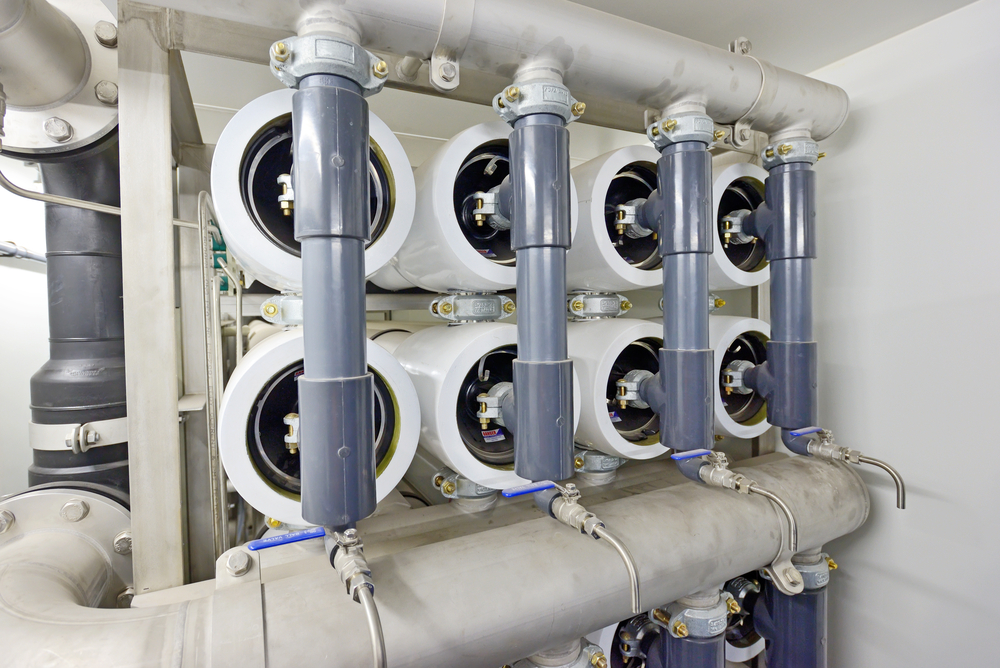
Cincinnati experiences a wide range of seasonal temperatures, with winter bringing freezing conditions that can significantly impact the operation of commercial and industrial infrastructure. Among the systems most vulnerable to these temperature shifts are reverse osmosis (RO) water filtration units, which are used extensively in commercial and industrial water filtration processes. These systems, vital for producing purified water in manufacturing, food processing, healthcare, and other commercial operations, are highly sensitive to environmental conditions. Winter temperatures in Cincinnati can challenge their performance, efficiency, and long-term durability.
The Vulnerabilities of RO Systems to Cold Weather
RO systems rely on a delicate balance of pressure, temperature, and flow to function properly. In Cincinnati, when temperatures plummet during the winter months, these systems face increased risk of component failure, water freezing, and reduced filtration efficiency. The membranes within the RO units are particularly susceptible to damage when exposed to freezing temperatures. Since most RO systems are designed to operate in environments above 40°F, exposure to the cold can result in internal water freezing, which causes expansion and cracking in membranes, housings, and pipes.
Moreover, many commercial facilities install RO units in basements, garages, or external buildings that may lack adequate insulation or heating. Without sufficient climate control, these systems can become dangerously exposed during subzero cold snaps that Cincinnati is known for. The result can be costly system downtime, expensive membrane replacements, and the need for urgent RO system service.
Another issue is the decrease in membrane efficiency as temperatures fall. Cold water is more viscous, which slows the diffusion process across the membrane. This leads to a noticeable drop in permeate flow rate and overall productivity. For commercial facilities relying on a steady supply of purified water, this reduction in performance can interfere with operations and reduce system ROI.
Impacts on Water Quality and Efficiency
Cincinnati’s cold winters can also affect the quality of water processed through RO systems. At lower temperatures, the rejection rate of contaminants by RO membranes may slightly improve due to slower diffusion of solutes, but this comes at the cost of decreased water output. Commercial users may notice that while water purity remains acceptable, the quantity of filtered water decreases dramatically. This can be problematic for industrial water filtration applications where volume is as critical as purity.
In addition, the increased pressure needed to maintain performance under cold conditions puts added strain on system pumps and motors. RO systems must compensate for the lower temperature by increasing operating pressure, which can lead to quicker wear of mechanical parts and the need for more frequent maintenance.
Cold water also slows down the kinetics of certain pretreatment processes such as carbon filtration or antiscalant dosing. Inadequate pretreatment can allow scale and biofouling to accumulate more easily on RO membranes, further reducing efficiency and shortening membrane life. Therefore, in Cincinnati’s winter, it is not only the core RO system that is affected but also the upstream components that ensure proper system function.
Preparing RO Systems for Cincinnati Winters
To maintain reliable RO system performance in Cincinnati’s commercial facilities during winter, proactive preparation is crucial. First and foremost, facilities should ensure that all RO units are installed in temperature-controlled environments. This means insulating pipes, installing heaters in RO system enclosures, or relocating systems to areas of the facility that remain above freezing.
Regular preventive RO system service should be scheduled ahead of the winter season. Technicians can inspect membranes for early signs of wear, verify that all temperature sensors and heaters are functioning properly, and assess insulation of pipes and housings. RO system service providers in Cincinnati are familiar with the region’s climate challenges and can make tailored recommendations to winterize the systems effectively.
Another key preparation step is adjusting system settings to account for colder feed water. This might involve increasing pressure, recalibrating flow meters, or modifying cleaning cycles to ensure proper flushing of membranes. Facilities must also ensure that pretreatment systems are functioning optimally to handle changes in water chemistry that may occur during winter months, including shifts in municipal water sources or treatment methods in Cincinnati.
Many facilities are adopting remote monitoring technologies to track system performance in real time. These tools can alert staff when pressures drop, temperatures fall below operational thresholds, or when membranes begin to underperform. This data-driven approach allows for quicker responses to winter-related issues, helping to prevent downtime and avoid costly repairs.
The Importance of Local Expertise and Timely Maintenance
In a city like Cincinnati, where winters can be harsh and unpredictable, having access to reliable RO system service is not just a convenience but a necessity. Commercial and industrial operations that depend on water purity cannot afford system failures due to preventable cold weather issues. Working with a local service provider that understands the unique challenges posed by Cincinnati’s winter climate is essential.
Local RO system service companies can offer tailored solutions based on building type, system configuration, and the specific water quality needs of the facility. Their technicians are familiar with how the region’s weather affects water infrastructure and can respond quickly when emergencies occur. These professionals can also provide vital advice on best practices for industrial water filtration in winter, including membrane selection, pre-filtration system upgrades, and insulation techniques.
In addition to responding to emergencies, ongoing maintenance is key to keeping systems resilient during the winter months. This includes replacing worn-out membranes, cleaning fouled components, and testing system integrity after extreme weather events. Facilities that invest in regular maintenance are better positioned to avoid disruptions and extend the lifespan of their RO equipment.
Long-Term Planning for Winter Reliability
For commercial operations in Cincinnati that use RO systems year-round, long-term planning is essential to ensure winter resilience. This goes beyond simple seasonal preparations and moves into system design and infrastructure upgrades. Investing in energy-efficient heating systems for equipment rooms, using weather-resistant materials in RO system construction, and designing pipe layouts to minimize exposure can all contribute to improved winter performance.
Additionally, companies should incorporate winter-readiness into their operational procedures. This may involve creating winter response protocols for staff, stocking replacement parts that are most vulnerable to freezing, and training personnel to recognize early signs of weather-induced system failure.
Modern RO systems with built-in sensors and automation can be configured to shut down when conditions become unsafe, thereby protecting components from freezing damage. These features are especially useful in industrial water filtration applications where system uptime is critical but must be balanced with risk management.
Planning also includes evaluating whether current systems are adequately sized and configured for cold-weather performance. Systems that work well in summer may underperform in winter if not properly sized for temperature fluctuations. Retrofitting or upgrading existing systems to accommodate winter conditions may involve significant upfront costs but can deliver long-term benefits in performance, reliability, and service costs.
Conclusion
Cincinnati’s winter temperatures present a unique set of challenges for the performance of RO systems in commercial and industrial settings. From reduced membrane efficiency to the risk of freezing damage, cold weather can compromise water quality, increase operational costs, and disrupt essential processes. However, with proactive planning, routine maintenance, and guidance from experienced local service providers, businesses can protect their RO systems against winter’s harshest impacts.
Ensuring that your system is properly insulated, maintained, and adjusted for seasonal changes is essential for safeguarding the integrity of your industrial water filtration efforts. Investing in winter-ready infrastructure and working with Cincinnati-based experts in RO system service can make a significant difference in system longevity and operational uptime. As the city braces each year for freezing temperatures, forward-thinking facility managers know that staying ahead of the cold is the key to keeping their water systems running smoothly.
Need Industrial & Commercial Water Purification in Cincinnati, OH?
Since 1999, Ultra Pure Water Technologies, LLC has been one of the best water purification business throughout the state of Ohio and beyond. Ultra Pure Water Technologies, LLC specializes in the sale, design, installation, maintenance, and service of commercial, industrial, and medical water pre-treatment and filtration systems. We offer water softeners, water filter replacements, carbon filtration, reverse osmosis, and deionization. Some of the products we have available include USP type-I, II, and II water and DI exchange tanks. We are a member of the Water Quality Association. Call in today for a free estimate!
Categorised in: Commercial RO Water System
This post was written by admin